Be prepared for the change
Check changes in tooling, batch heads, nozzles, and procedures around the product family, first clarify the configurations that can be used, and then arrange for changeover and first article verification.
FLEXIBLE PRODUCTION LINE
Flexible Intelligent Production LinesFor the assembly and testing of electronic products, we organize loading, fastening, manual workstations, testing and finished product storage into a coherent process. Based on product changes and on-site rhythm, plan the unit configuration, changeover method and material flow direction that suits you.
Discuss production line requirements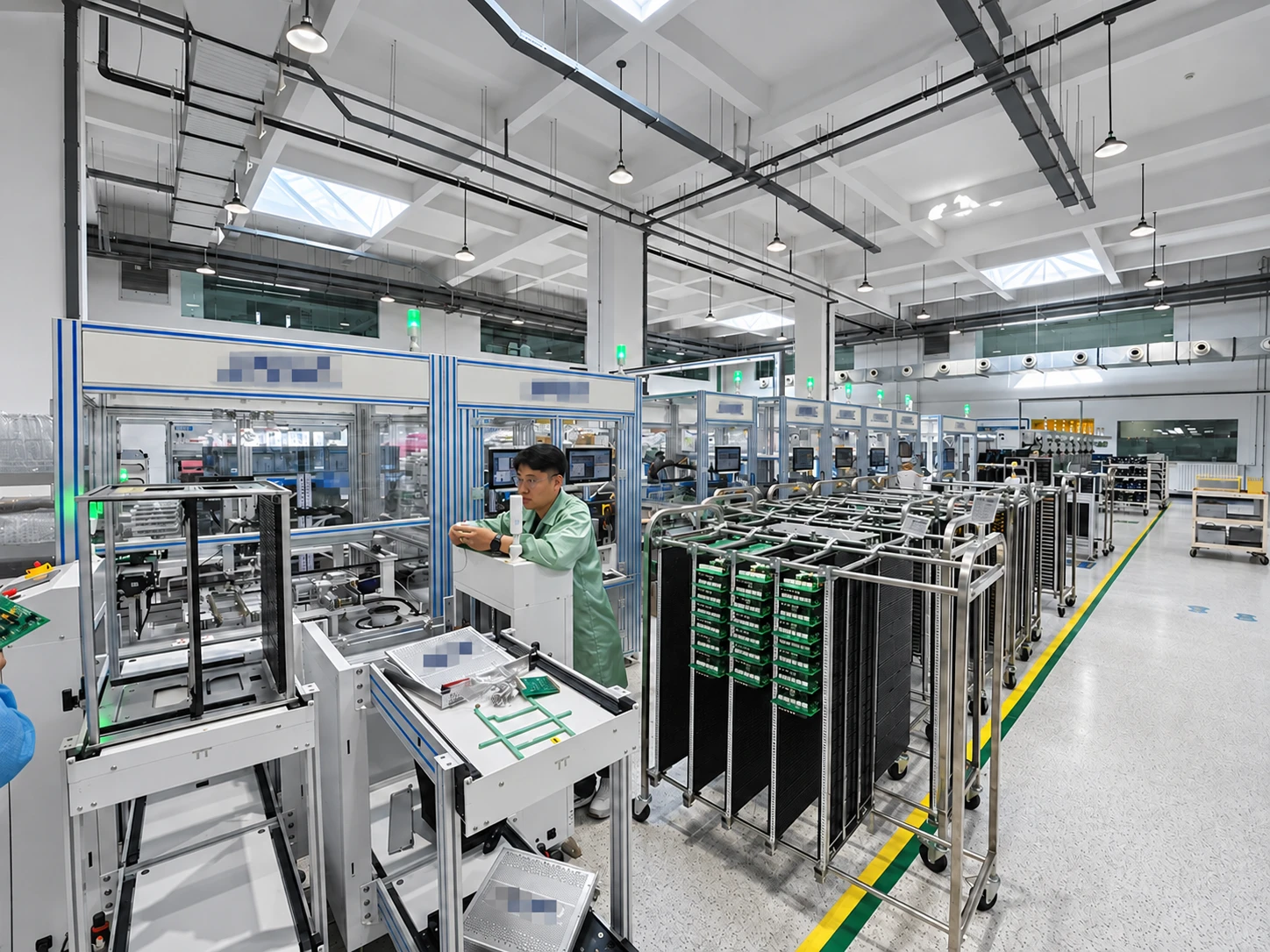
BUILT FOR DAILY PRODUCTION
Check changes in tooling, batch heads, nozzles, and procedures around the product family, first clarify the configurations that can be used, and then arrange for changeover and first article verification.
Plan the flow of boards, jigs, in-process products and finished products together to reduce the chance of repeated handling and waiting between processes.
Incorporate fastening, testing and marking into the process flow, and organize parameters, results and exception records according to project requirements for easy review.
Evaluate layout, changeover, training, maintenance and subsequent product adjustments together, so that the equipment can be put into service for continuous production.
FROM ASSEMBLY TO FINISHED PRODUCT
Taking the digital track circuit assembly solution as an example, the division of labor between repetitive operations, manual operations and testing links is connected. The specific number and sequence of workstations will be determined according to the product process.
Organize incoming materials according to product information and fixtures.
→Connection positioning, auxiliary material supply and fastening operations.
→Reserve workstations for operations such as light guide columns and panels.
→Complete panel locking according to process requirements.
→Execute agreed tests to identify abnormal flow directions.
→Connect the upper and lower covers for placement and fixation.
→Complete marking, finished product circulation and fixture reflow.
Return the empty fixture to the loading end and organize it separately with the flow direction of the finished product to form a recycling operation path.
Arrange pickup and placement locations, job confirmation and exception handling around operations such as light guide columns, panels or covers, taking into account both automation and actual operating conditions.
Combined with the test content, the number of workstations, caches and abnormal discharging paths are evaluated to match the detection capabilities with the front and rear operations.
Confirm tooling, end tools, supplies and program preparation according to product changes, and then enter batch operations after verification.
APPLICATION DIRECTIONS
Around the motherboard, CPU components, positioning accessories, front panels and upper and lower covers, it connects loading, fastening, product testing, labeling and frame closing.
For components such as lamp panel PCBs, lenses, end caps and adapter boards, the picking, fixing, conduction and appearance verification are organized according to the product process.
Application directions are organized according to the provided assembly solutions. The workstation configuration, testing content and acceptance conditions of different products are confirmed separately.
ASSEMBLY LINE IN PRACTICE
On-site photos of the assembly line show the spatial relationship between work units, conveyor interfaces, personnel operations, and board turnover, providing an intuitive reference for layout and usage communication.
The work units and board turnover vehicles are arranged in parallel, and material preparation and work-in-progress are organized around the production flow.
Reserve positions for personnel to pick, place, confirm, and debug, and incorporate on-site operating conditions into production line planning.
From the operation surface, display position and conveying interface, confirm the connection between the unit and the front and rear workstations.
Discuss the entire line layout and subsequent adjustments based on the equipment arrangement, maintenance channels and work space.
TESTING WITHIN THE PRODUCTION FLOW
The flying probe inspection on-site data shows another type of online configuration: combining board card delivery, test unit and transfer mechanism, and planning the inspection section around the test time and incoming material method. It can be used as a configuration reference for the entire line detection module.
Multiple testing equipment cooperates with the sending and receiving board unit, and the configuration is planned based on product and test requirements.
TEST · TRANSFER · REVIEW
First clarify the test items, procedures and judgment requirements, and then confirm the number of equipment, loading and unloading methods and circulation paths to avoid looking at a single piece of equipment and ignoring the connection of processes.
Combine the upper transfer mechanism and ground equipment to coordinate the movement and maintenance space between equipment.
Display testing equipment and surrounding operating conditions to facilitate discussion of inspection, debugging and daily maintenance.
Incorporate the position of the delivery board, material turnover and on-site display into the inspection section layout.
The assembly plan and inspection site photos respectively show the process direction and existing equipment form, and do not mean that the same project includes all units on this page by default.
VALUE OVER TIME
From equipment procurement, it extends to order changes, daily changeovers, maintenance training and subsequent expansion. Measure input value based on actual production conditions.
Precipitate product information, tooling configuration and operating points, and give priority to subsequent similar products to evaluate the scope of use.
Discuss product families, production capacity arrangements and site conditions during the planning stage, and clarify adjustable parts and new needs.
Incorporate the information and validation steps required by engineering, operations, and quality personnel into the delivery.
Actual benefits need to be evaluated based on orders, division of labor, frequency of changeovers, test content, and usage and maintenance conditions.
CONFIGURATION & LAYOUT
The plan starts from the product and process, combines the site, personnel and target rhythm to determine the unit combination and acceptance range.
The production line length × width reference in the provided assembly plan includes the workstation organization within the plan. The actual layout needs to be confirmed separately for loading and unloading, personnel passage, maintenance and external facilities spaces.
Solution example · Not a fixed size for all production linesDELIVERY & SUPPORT
Confirm feasibility around prototypes, key processes and cycle conditions, and clarify delivery scope and acceptance methods.
Combined with the completion of installation, commissioning and acceptance on site, we provide training on operation, equipment management and mechanical and electrical maintenance.
Hand over the use of maintenance data, daily inspections and exception handling methods, and provide follow-up technical support as agreed on the project.
Delivery period, warranty, response methods and spare parts arrangements are subject to the specific project contract and service agreement.
RELATED SYSTEMS
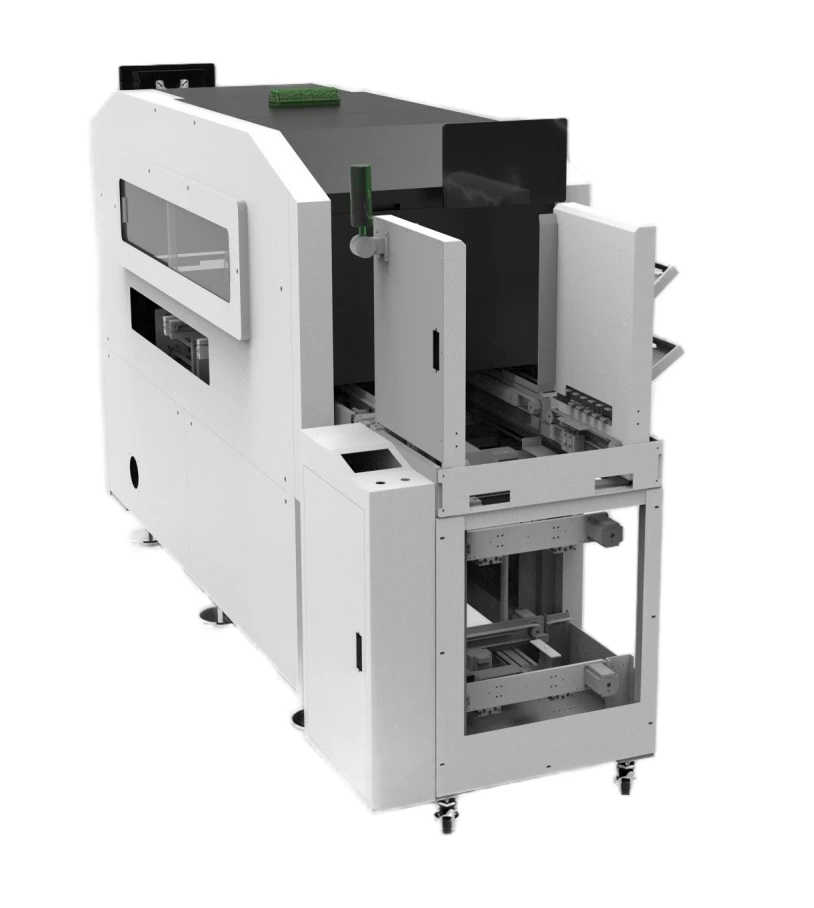
FLEXIBLE ASSEMBLY PLATFORM
Plan pick-and-place, auxiliary material application, workpiece handling and tray/carrier assembly around your actual parts, with a focus on changeover reuse, everyday operation and long-term value.
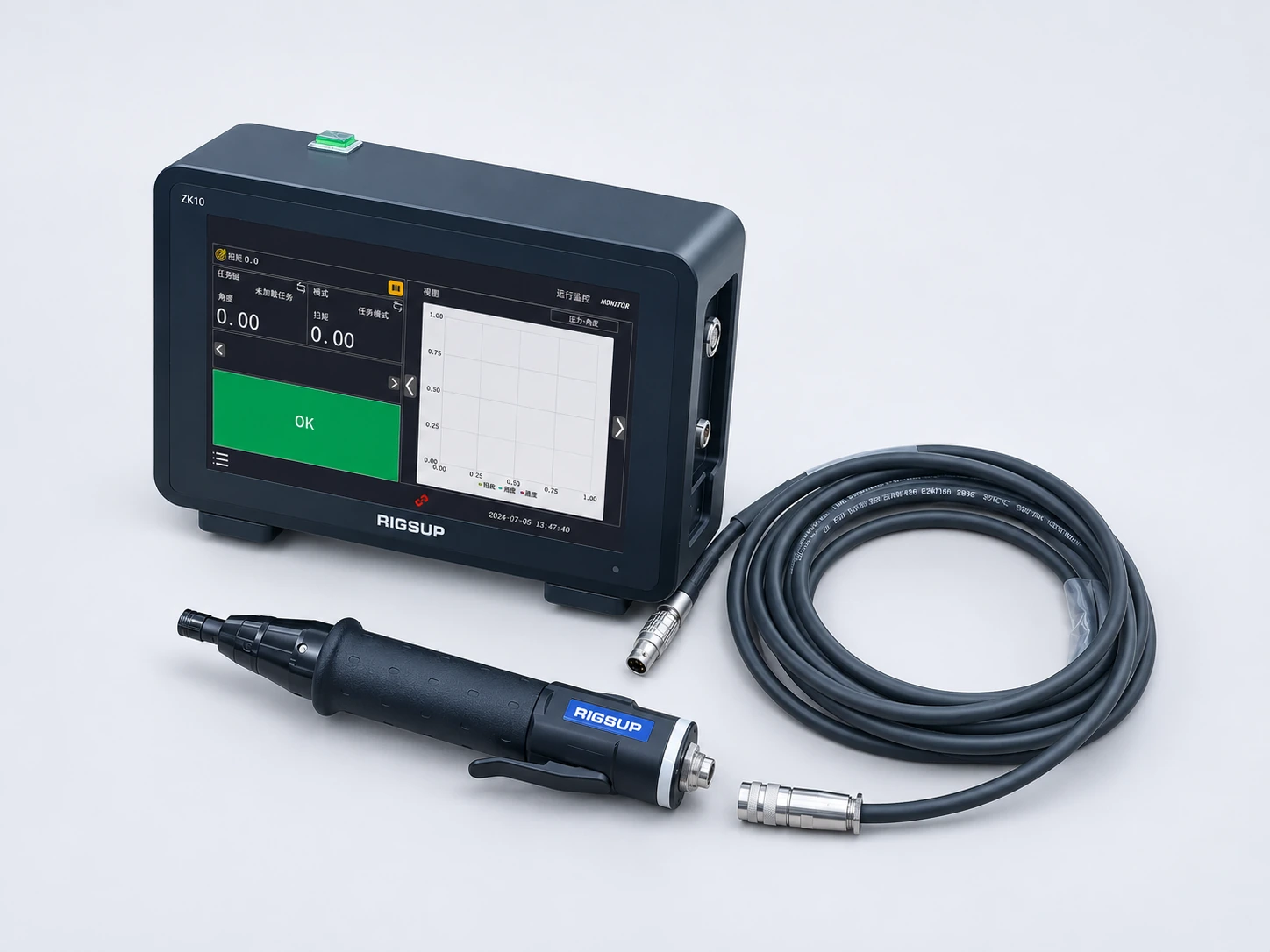
INTELLIGENT TIGHTENING
From handheld tools to automated tightening spindles, bring precision control, process strategies and traceability to every assembly operation.
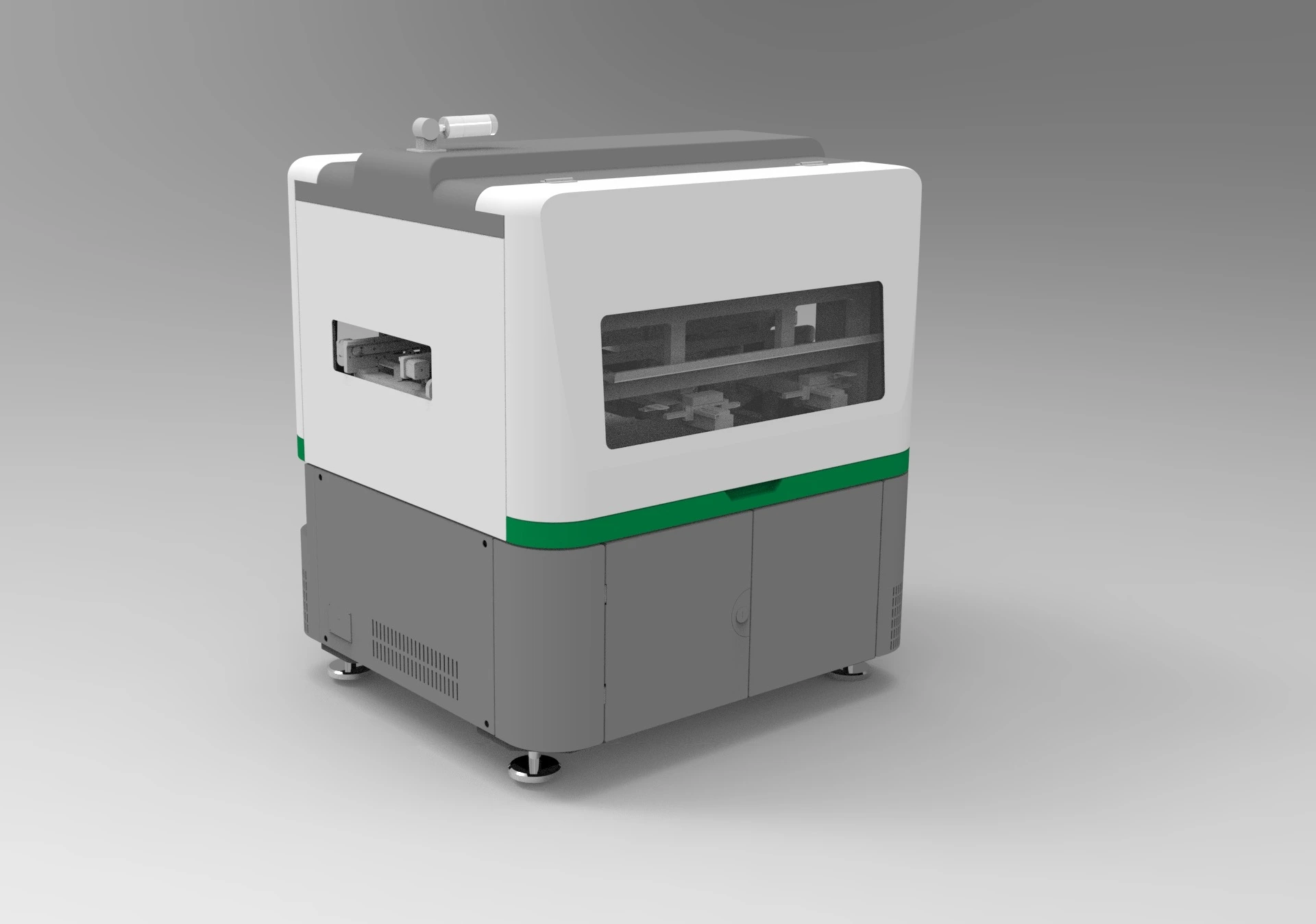
FLEXIBLE FLYING PROBE TEST
Combine flying probe inspection, electrical and functional testing, and reporting for railway signalling and industrial electronic boards. Build a consistent workflow with defined steps, assessment criteria and retained results.
ENGINEER YOUR NEXT